Summary & Key Points
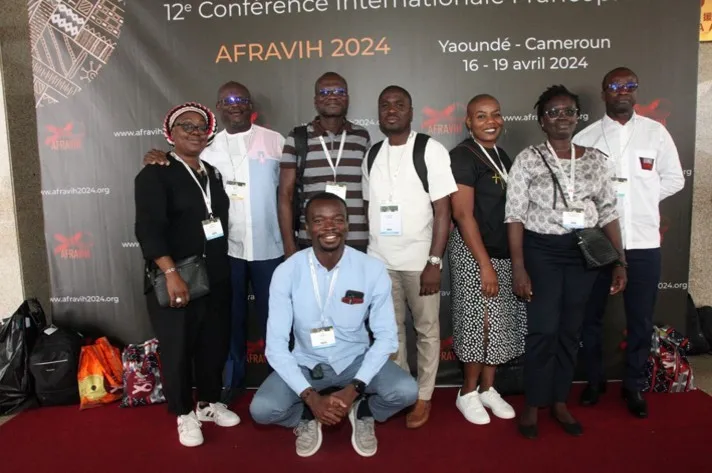
"A delegation of eight people, including seven from PAC-CI and one from a partner NGO, traveled to Yaoundé to attend AFRAVIH from April 16 to 19, 2024."
A delegation of eight people, including seven from PAC-CI and one from a partner NGO, traveled to Yaoundé to participate in the AFRAVIH conference from April 16 to 19, 2024. This 12th International Francophone Conference on HIV, STIs, and sexual and reproductive health is the first edition to be held in French-speaking Black Africa.
After the missed appointment in Dakar in 2020 due to COVID, Cameroon had the honor of organizing this 12th AFRAVIH conference at the Yaoundé Congress Palace. It registered approximately a thousand participants.
This 12th edition, with the theme: "Engaging in dialogue about HIV within communities", was an opportunity for researchers and decision-makers from the French-speaking world to gather around scientific news, as well as for the associative and community world to exchange on the best ways to continue the fight against discrimination and for equal access to care for all.
After the inaugural session, the program, composed of plenary sessions, parallel oral sessions, symposia, discussed poster sessions – an innovation of this conference – poster exhibition visits, and booths animated by various actors in the fight against HIV, allowed participants to exchange on various themes.
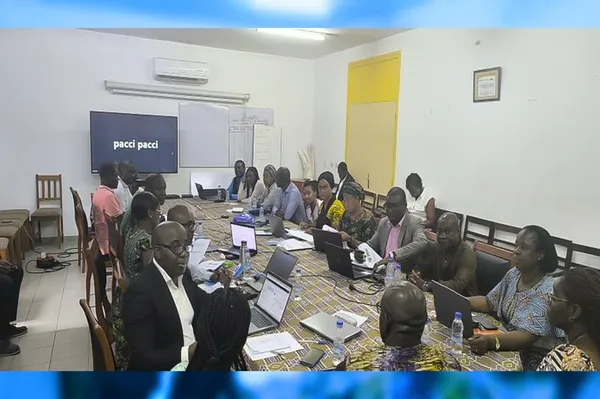
PAC-CI Program's contribution to AFRAVIH took place at several levels, including session facilitation, oral/poster presentations, working sessions, and meetings with partners.
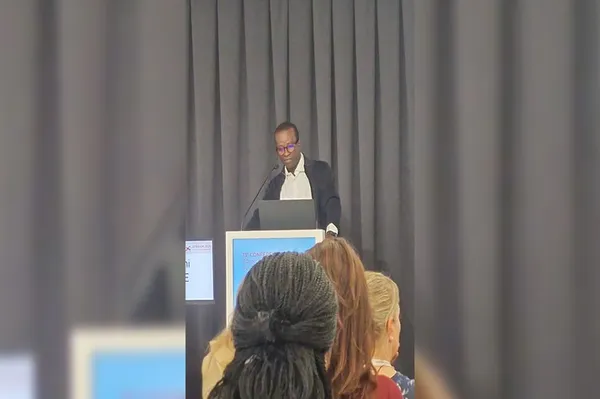
Dr. Moh, Executive Director of the PAC-CI Program, during his intervention, called on his colleagues to pool their knowledge about HIV in the elderly in order to define a strategy for better care.
Christine Katlama, President of AFRAVIH, echoed this by inviting researchers, decision-makers, and associations to unite, end discrimination, and protect vulnerable people living with HIV: "As a community, we must together affirm loudly and clearly that the HIV pandemic will only end when the fear linked to discrimination, social rejection, and the non-acceptance of differences has receded, when all communities have made the protection of fragile individuals their priority, more than their repression."
Marked by the quality and richness of the exchanges during this international conference, the management of the PAC-CI Program believes it would be appropriate to quickly organize a debriefing session that would allow, on the spot, to set the tracks and recommendations to be developed soon in its research and intervention activities to better address the health needs of the populations.