Summary & Key Points
"The PAC-CI Program hosted a workshop to co-develop the community-based perennial malaria chemoprevention strategy, bringing together key stakeholders and partners from the COMBINE-PMC project."
The PAC-CI Programme hosts the co-construction workshop for the COMBINE-PMC project
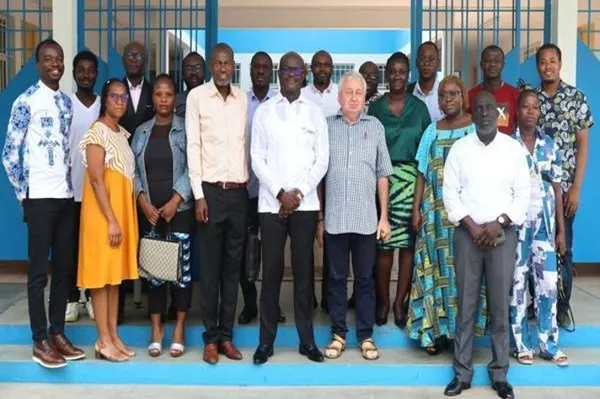
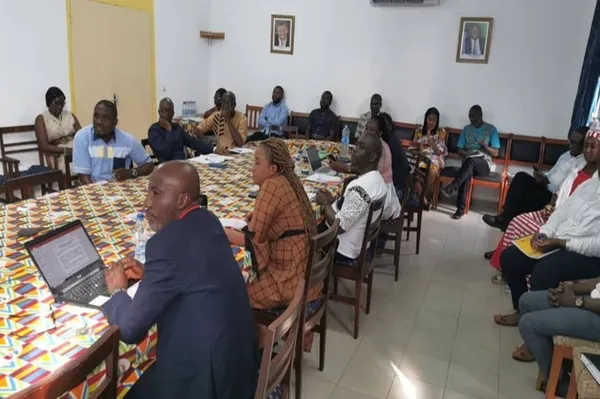
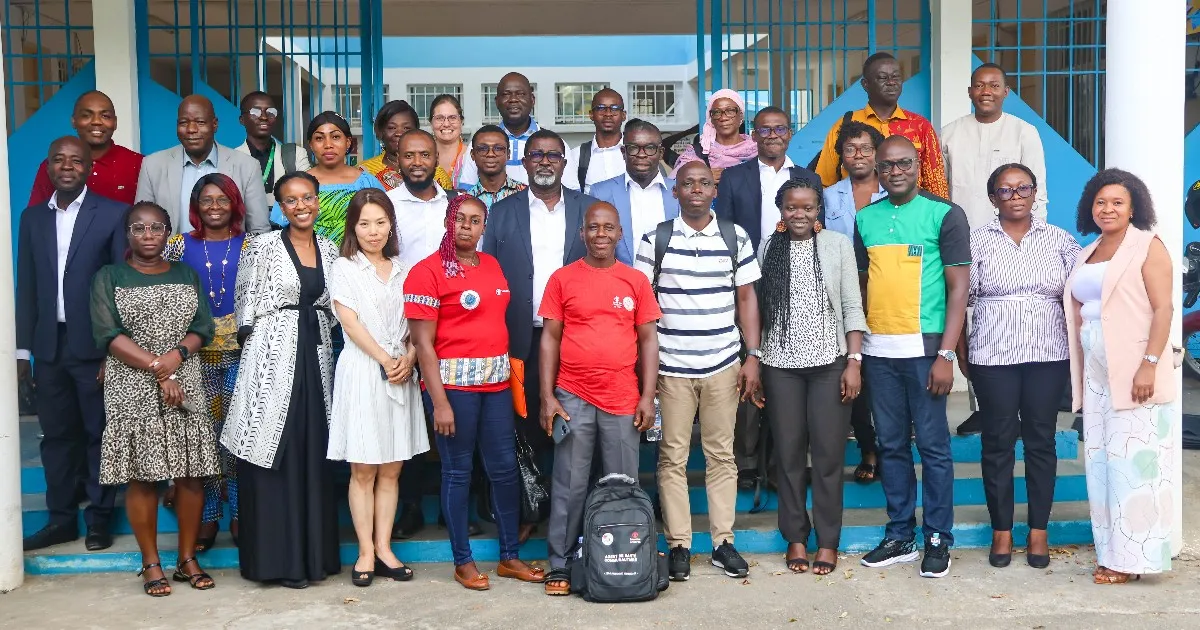
From May 11 to 13, 2026, PAC-CI Programme facilities hosted the co-construction workshop for the community-based strategy and tools for Chemoprevention of Seasonal Malaria Chemoprevention (C-CPP), organized as part of the COMBINE-PMC project.
This workshop brought together several key stakeholders in the fight against malaria in Côte d'Ivoire: the National Malaria Control Programme (NMCP), the Regional Health Directorate of Marahoué, the Departmental Health Directorate of Bouaflé, the Ivorian Regulatory Authority for Pharmaceuticals (AIRIP), as well as national and international nongovernmental and church organizations.
Funded by Expertise France, the COMBINE-PMC project is based on an interdisciplinary consortium comprising the National Malaria Control Programmes (NMCP) of Côte d'Ivoire and Togo, the PAC-CI Programme, CARESP-Togo, IRD (France), and the University of Bordeaux.
It aims to evaluate an innovative strategy for community-based delivery of Sulfadoxine-Pyrimethamine (SP) by Community Health Workers to improve malaria prevention and vaccination coverage among children under two years of age.
The workshop was attended by the Principal Investigator (PI) of the project, Dr. Shino Arikawa, and benefited from the active participation of partner scientific and technical teams. In Côte d'Ivoire, the project is coordinated by Dr. SERI Bénjamin, supported by the highly mobilized PAC-CI team for scientific and methodological coordination.
Over three days, participants collaboratively worked on several strategic themes: the operational implementation model, SP supply, community mobilization, pharmacovigilance, human resource management, monitoring and evaluation, and data reporting mechanisms.
These discussions led to the development of a community-based SP delivery strategy tailored to the Ivorian context, along with operational tools and an implementation schedule validated by all stakeholders.
In Côte d'Ivoire, the project will be rolled out in the Bouaflé health district, divided into three zones: an intervention zone where the C-CPP will be implemented; a control zone where SP will be administered according to the standard strategy; and a buffer zone designed to limit migration flows between the first two. Implementation will begin in October 2026.
Through this initiative, the PAC-CI Programme reaffirms its commitment, alongside health authorities and its partners, to innovative solutions tailored to community realities in the fight against malaria in Africa.
Christian KOUADIO
Clinical Research Associate and Communications Manager at PAC-CI
Contact the author