Summary & Key Points
"The ANRS 12381 Princesse project, an interventional cohort study (November 26, 2019 – June 30, 2023), aimed to develop, document, and analyze a community-based care model combining screening, combined prevention—including prophylaxis..."
The ANRS 12381 Princesse project, an interventional cohort study (November 26, 2019 – June 30, 2023) aimed to develop, document, and analyze a community-based care model combining screening, comprehensive prevention—including pre-exposure prophylaxis (PrEP),immediate HIV treatment, hepatitis B management, and sexual and reproductive health (SRH).
At the opening of the meeting, Dr. Nouaman, PRINCESSE Project Leader and master of ceremonies for the occasion, set the stage for the presentation of the results of the Princesse project, a community-based SRH care initiative for sex workers in San Pedro.
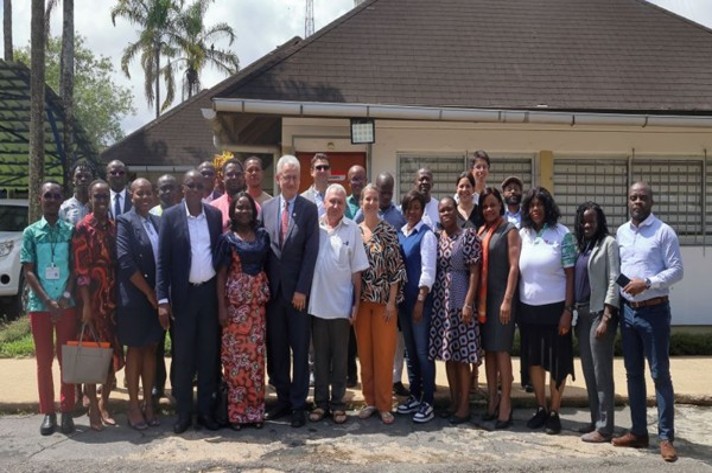
Present at the event were Mr. Henk Van Renterghem, UNAIDS Country Director; Ms. Koffi, Director of the NGO APROSAM; Dr. Fred Eboko, IRD Representative in Côte d’Ivoire, Prof. Serge Eholié, Head of the Department of Infectious and Tropical Diseases at Treichville University Hospital and Director of CERMIPA, Dr. Cyprien Rabé, representative of the Coordinating Director of the PNLS, Prof. Patrick Coffie, Scientific Director of the PAC-CI Program; Mr. S. Amador-Paz, representative of the ANRS; and various partner organizations, the presentation of the results of the ANRS 12381 PRINCESSE project took place, on June 11, 2024, in the UNAIDS conference room.
After welcoming the participants and expressing his sincere thanks to them, particularly to the PAC-CI Program for involving UNAIDS in this presentation, Mr. Henk Van Renterghem outlined the objectives of this meeting on three levels: ending HIV/AIDS by 2030, providing quality services to vulnerable populations, and communicating the results and recommendations to effectively combat HIV, hepatitis B, and other sexually transmitted infections in Côte d’Ivoire.
The ANRS 12361 PrEP-CI survey, conducted between 2015 and 2016 prior to the PRINCESSE project, confirmed that the population of female sex workers in Côte d’Ivoire was not only at risk of HIV infection but also had a real need for sexual and reproductive health care.
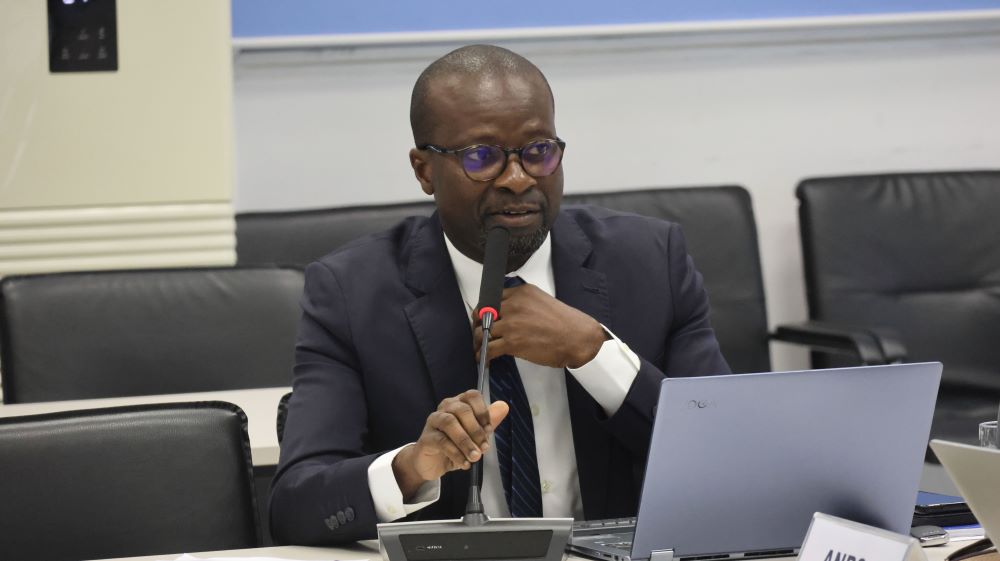
Professor Patrick Coffie, Scientific Director of the PAC-CI Program
Thus, the presentation of the PRINCESSE project results to various technical, financial, and community partners aimed to provide evidence-based data to different intervention programs and contribute to the delivery of quality care for sex workers in Côte d’Ivoire. For the principal investigators of the ANRS PRINCESSE project, Prof. Serge Eholié and Dr. Joseph Lamarrage, the findings of this PRINCESSE project survey must be translated into policy language in order to secure the leverage needed to act effectively
Prof. Eholié went on to urge decision-makers, healthcare professionals, and community leaders to adopt an integrated approach to the prevention of HIV/AIDS and other infectious diseases, one that takes into account the issues of “maternal and child health” and the “school health program.”
The UNAIDS Country Director will speak along the same lines, advocating for the effective implementation of the PRINCESSE project’s recommendations. Indeed, Côte d’Ivoire currently has an HIV prevalence rate of 1.82 percent—a level that is certainly low compared to previous years. However, our country has been identified as a priority country for the “Fast-Track” initiative by the United Nations system. According to Spectrum 2023, there were 9,952 deaths in 2022, of which 48% were women and 52% were men. There were 8,978 new HIV infections in 2022, 63% of which were among women and 37% among men. We must act now if we are to eradicate HIV/AIDS by 2030!
The host will take this further by inviting researchers to consider “whether there is a tool capable of assessing the impact of projects on key populations.” Furthermore, in his view, the debate over restricting access to condoms for sex workers must be revisited through dialogue with organizations directly involved in the prevention of HIV/AIDS and infectious diseases, particularly the PNLS: “Why is access to condoms still limited for sex workers?” as highlighted by the findings of this study.
Before closing the workshop, Professor Coffie, on behalf of the PAC-CI Program Management, thanked the UNAIDS Country Director for the financial and logistical support the PAC-CI team received in organizing this feedback session. After reminding the audience of the missions of the institution he represents, he also expressed his gratitude to his technical and financial partners for their invaluable support.
Following him, the ANRS representative took the floor to commend his institution’s fruitful collaboration with the PAC-CI Program over the past 28 years. The guests continued their discussions over a meal hosted by UNAIDS.
PAC-CI
Associate researcher at PAC-CI, contributing to the advancement of scientific research and public health in Côte d'Ivoire.
Contact the author